Best Electronics Recycling for Business Recycling
Understanding E-Waste: Common Myths and Facts About Recycling
E-waste has become a significant issue in our current technological landscape. Many people hold misconceptions about the recycling process. Common beliefs suggest that e-waste cannot be recycled or that disposal options are limited. These myths can hinder effective recycling efforts and exacerbate environmental damage. Comprehending the truths about electronic waste management is vital. How does e-waste truly affect the environment, and what steps can individuals take toward a more sustainable tomorrow? Investigating these matters brings forth critical understanding.
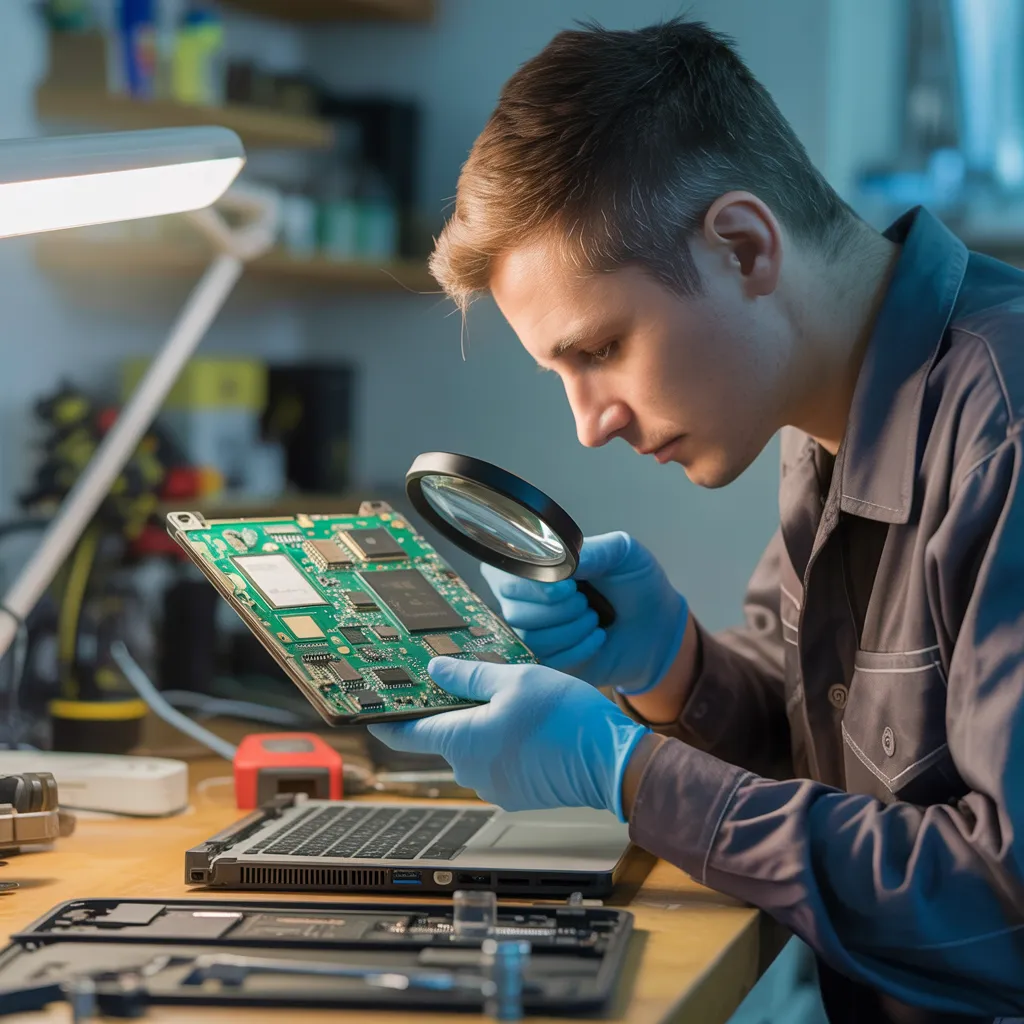
Unpacking E-Waste: What It Involves and How to Manage It Responsibly
E-waste, or electronic waste, refers to disposed electrical appliances, including personal computers, smartphones, and television sets. This category of waste is rapidly increasing due to the fast-paced evolution of technology, leading to significant environmental concerns. A wide range of electronic equipment contains toxic components such as lead, mercury, and cadmium, which may present dangers to public health and natural ecosystems if not properly discarded.
Responsible disposal of e-waste involves recycling through certified programs that guarantee safe handling and processing. Various local and national organizations offer collection events, drop-off centers, and mail-in recycling options. Individuals are advised to look for certification marks, such as R2 or e-Stewards, to verify that their e-waste is handled responsibly. Additionally, offering operational devices for donation can help extend their lifespan while cutting down on waste. By gaining knowledge about e-waste and implementing appropriate disposal techniques, individuals can support a more sustainable future and lessen environmental consequences.
Dispelling Common Misconceptions About E-Waste Recycling
How can common misconceptions about e-waste recycling hinder effective disposal practices? Misconceptions about e-waste recycling frequently result in improper disposal methods, ultimately worsening the situation. A common myth is that all e-waste can be recycled, which may encourage complacency. The truth is that not all components can be efficiently processed, and some necessitate specialized handling. A further misconception is that e-waste recycling is overly complex or expensive, discouraging individuals from taking part. The reality is that numerous communities provide accessible and free recycling programs. Additionally, the belief that e-waste simply ends up in landfills undermines the significant efforts of recycling organizations that prioritize responsible processing. These falsehoods not only deceive the public but also hinder the unified Continue reading effort essential for managing e-waste in a sustainable manner. Tackling and dispelling these misconceptions is vital for promoting responsible consumer behavior and improving the overall effectiveness of e-waste recycling efforts.
What Environmental Damage Occurs When E-Waste Goes Unrecycled
Failing to recycle e-waste poses significant threats to the environment. When electronic devices are discarded improperly, toxic substances including lead, mercury, and cadmium can leach into soil and water systems, leading to severe pollution. Such dangerous compounds threaten the health of both animals and people, disrupting ecosystems and contaminating food sources.
Additionally, the stockpiling of e-waste in landfills contributes to the erosion of natural resources. Critical metals and materials that have the potential to be salvaged and reused are wasted, amplifying the demand for new mining operations, which only worsens the environment. In addition, the carbon footprint resulting from manufacturing new electronics is worsened, as raw materials are sourced and manufactured.
Effective Techniques for Recycling Your Old Electronics
Considering disposing of outdated electronic devices, various reliable approaches exist for people. Regional recycling facilities frequently offer safe and responsible disposal methods, confirming that resources are managed in a sustainable way. Additionally, charitable giving of working electronics can maximize their usefulness while supporting individuals who could use assistance.
Local Recycling Programs
Numerous communities currently provide neighborhood recycling efforts created exclusively for the proper discarding of outdated electronic equipment. Such initiatives are focused on reducing electronic waste by establishing easy-to-reach collection sites and organized collection drives. Community members can typically access guidelines on acceptable items, ensuring that hazardous materials are properly managed. Neighborhood recycling efforts frequently work alongside licensed e-waste disposal specialists, who comply with ecological guidelines to recover useful resources and safely eliminate dangerous elements. Certain initiatives additionally provide rewards, like price reductions on updated technology, to motivate resident engagement. Through taking advantage of these community assets, residents can support ecological preservation while ensuring their old devices are recycled in a safe and effective manner. Awareness of these options is essential for responsible e-waste management.
Charitable Donation Options
Community recycling initiatives not only offer a method for appropriate disposal but also generate opportunities for contributing used electronics. A variety of organizations receive operational devices, such as computers, smartphones, and tablets, that can be repurposed for academic or charitable applications. Schools, non-profits, and community centers often welcome such donations, ensuring that valuable technology reaches those in need. Furthermore, certain manufacturers and retailers provide trade-in initiatives, enabling people to swap outdated devices for store credit, which encourages environmentally responsible practices. It is necessary to explore available local choices and ensure that the recipient organization complies with responsible recycling guidelines. By donating instead of discarding, individuals can extend the lifecycle of electronics while supporting their community's technological needs.
How Recycling E-Waste Can Benefit You and the Environment
Although some may overlook its significance, e-waste recycling provides significant advantages for both households and the ecosystem. By correctly processing e-waste, individuals can confirm that useful substances, such as metallic and plastic components, are extracted and reintegrated, limiting the requirement for raw material extraction. This not only conserves natural resources but also decreases environmental damage associated with resource harvesting and fabrication methods.
Moreover, e-waste recycling serves to keep toxic substances, including lead and mercury, from polluting groundwater and soil reserves. By redirecting e-waste away from landfills, communities can mitigate potential health risks to humans and animals alike.
In addition, taking part in e-waste recycling may produce financial benefits, as the recycling industry creates employment and revitalizes regional economies. Ultimately, proper e-waste disposal cultivates a environmentally sound future, improving individual well-being, the natural world, and the broader economy as well. Understanding these benefits can encourage more individuals to take part in e-waste recycling initiatives.
How to Locate Local E-Waste Recycling Programs
Where can people find e-waste recycling programs near them? Several helpful resources are available to support this effort. Municipal governments frequently operate websites that feature approved recycling centers. These platforms usually offer specifics regarding accepted materials and any relevant charges. In addition, organizations such as Earth911 provide searchable databases, allowing users to find nearby e-waste drop-off locations by entering their zip codes.
Community events, such as electronics recycling days, are frequently organized by local governments or nonprofit organizations, offering convenient options for sustainable waste handling. Technology stores may also engage in waste reduction efforts, accepting unwanted devices for correct treatment. In addition, state environmental agencies often supply information on electronics recycling practices and can direct individuals to trustworthy recycling resources. By taking advantage of these options, consumers can confirm their electronics are recycled properly, supporting ecological well-being.
Common Questions and Answers
Can E-Waste Be Repaired Instead of Recycled?
E-scrap can often be repaired instead of recycled, subject to how well the device is functioning and whether parts are accessible. Restoring prolongs the lifespan of the item and reduces environmental impact, providing a sustainable alternative to traditional recycling methods.
Which Types of Electronics Are Classified as E-Waste?
Electronic waste refers to unwanted electronic equipment like televisions, computers, smartphones, tablets, appliances, and printers. These electronics typically harbor hazardous materials, making it essential to properly dispose of and recycle them to safeguard the environment and public health.
Are There Any Legal Regulations on E-Waste Disposal?
Yes, there are laws and regulations controlling e-waste disposal. Multiple countries and regions enforce laws to guarantee proper recycling and disposal, aiming to lessen environmental consequences and promote responsible management of electrical waste through specific guidelines and standards.
How Can I Safely Store E-Waste Before Recycling?
To safely store e-waste before recycling, it is recommended that individuals keep their devices in a cool, dry area, ensure all power sources are disconnected, and use sturdy containers to prevent damage. Make sure to label each item clearly to facilitate proper disposal when needed.
What Certifications Are Important to Look for in E-Waste Recyclers?
When evaluating e-waste recycling companies, individuals should look for credentials such as R2 (Responsible Recycling Certification), e-Stewards, and ISO 14001. These qualifications confirm conformance to environmental guidelines and responsible handling of electronic waste during the entire recycling process.